


Best strategy games
you can play right now
Build something and keep it. What each one is really like to play, and what it asks of you once the easy part is over.
-
Our top pick
Browser game
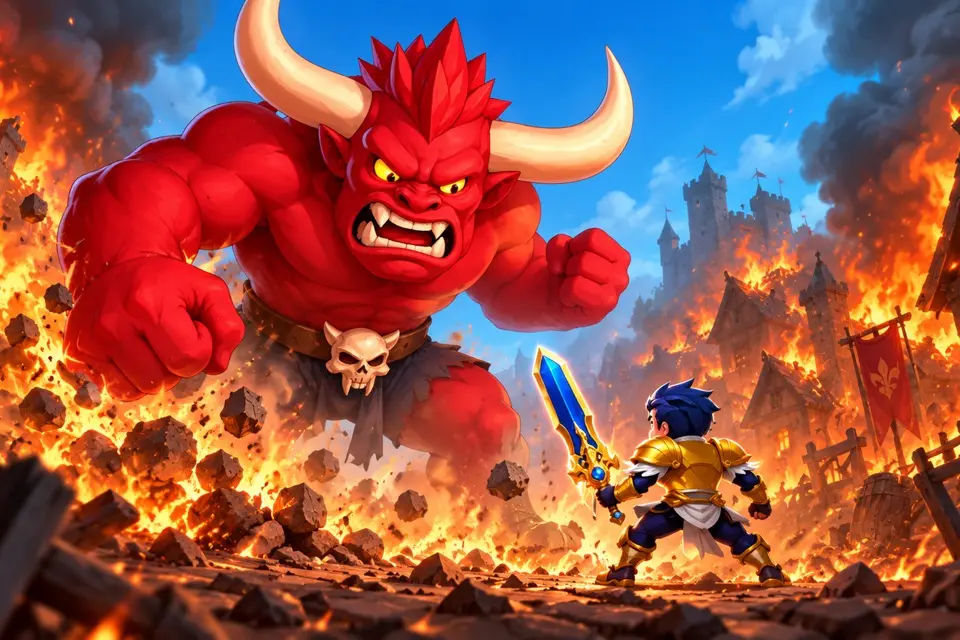
A hero-collection role-playing game that runs in a browser tab. Free to play, with optional purchases.
- Levels heroes rather than buildings
- Hands you a full team before it asks anything
- Runs on a laptop that struggles with the rest
-
Windows only
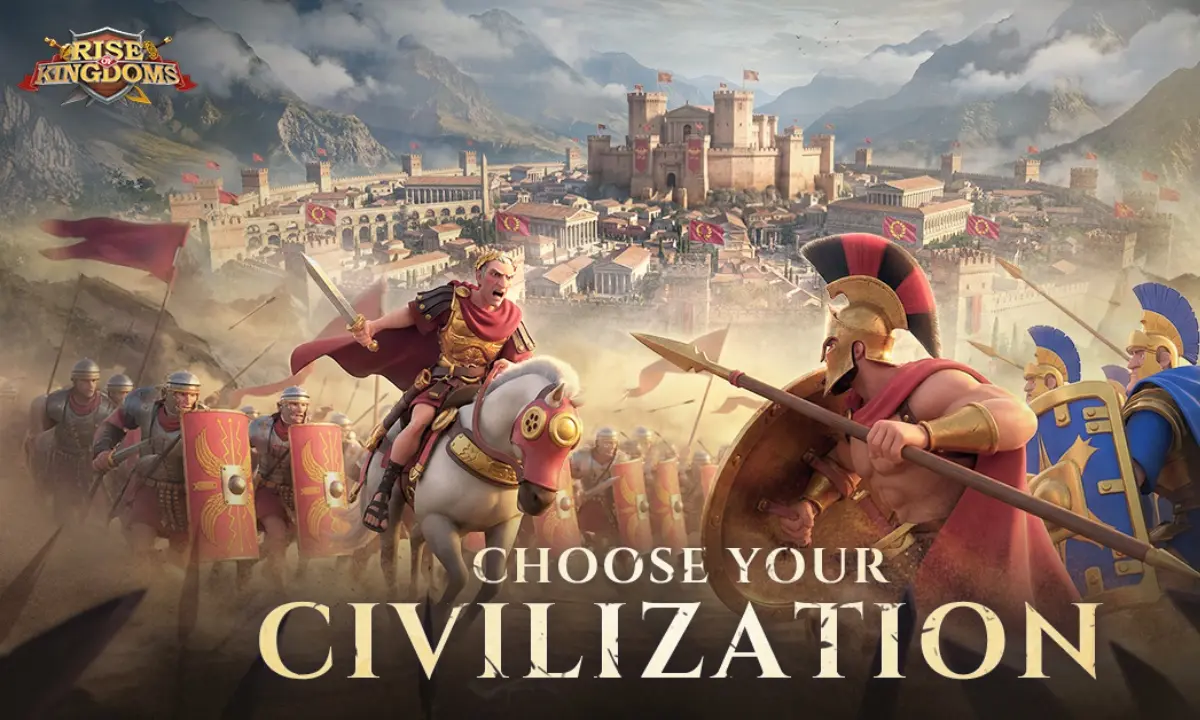
A real-time strategy game: grow one city into an empire on a shared map. Free to play, with optional purchases.
- Lead a civilisation from a single city to an empire
- Real-time battles on one shared world map
- Needs a client on desktop, and says so
-
Windows & Mac

Space strategy: build a fleet crewed by officers from every Star Trek series. Free to play, with optional purchases.
- Build a starbase and a fleet from Star Trek
- Collect officers like Kirk, Spock and Picard
- Needs a client on desktop, and says so
-
Windows only
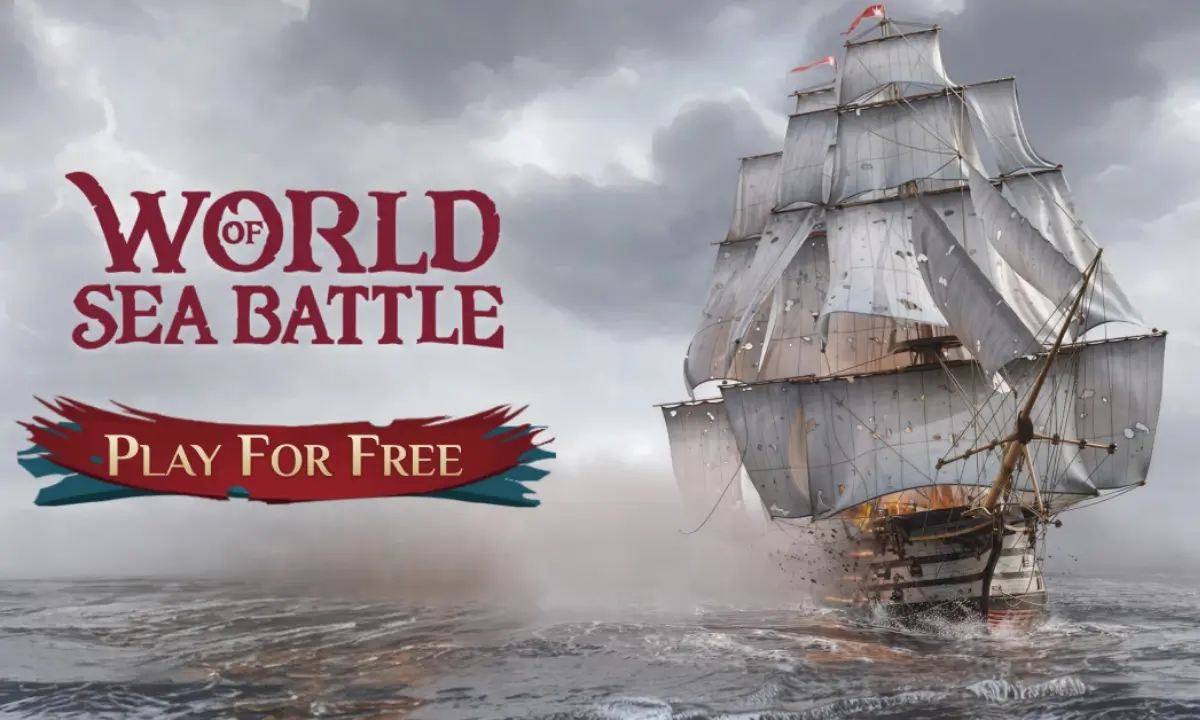
An open-world naval game: sail, trade and fight with age-of-sail ships you crew. Free to play, with optional purchases.
- Sail, trade and fight in one open sea
- Age of sail ships you build and crew yourself
- Needs a client on desktop, and says so
-
Downloadable game
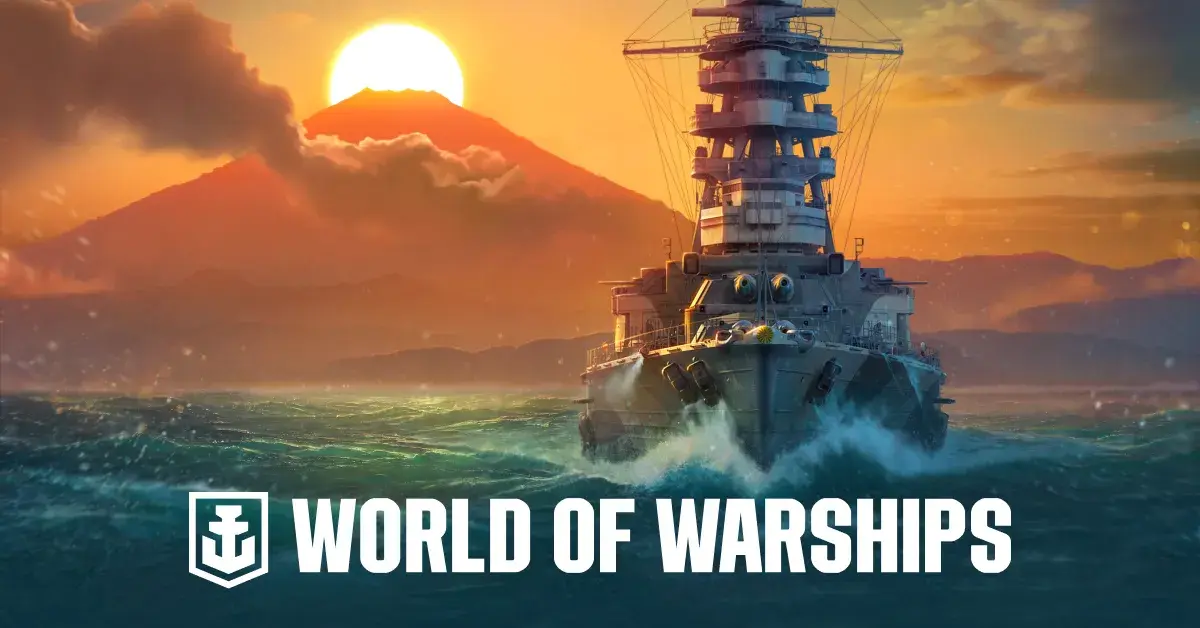
A naval team game where shells take seconds to land and positioning wins. Free to play, with optional purchases.
- Shells take seconds, so aiming is a decision
- Four classes that genuinely play differently
- Needs a client on desktop, and says so
-
Downloadable game

A team tank game where the angle of your armour matters as much as your aim. Free to play, with optional purchases.
- Angling your tank matters as much as aiming
- Hundreds of tanks across a dozen nations
- Needs a client on desktop, and says so
-
Downloadable game
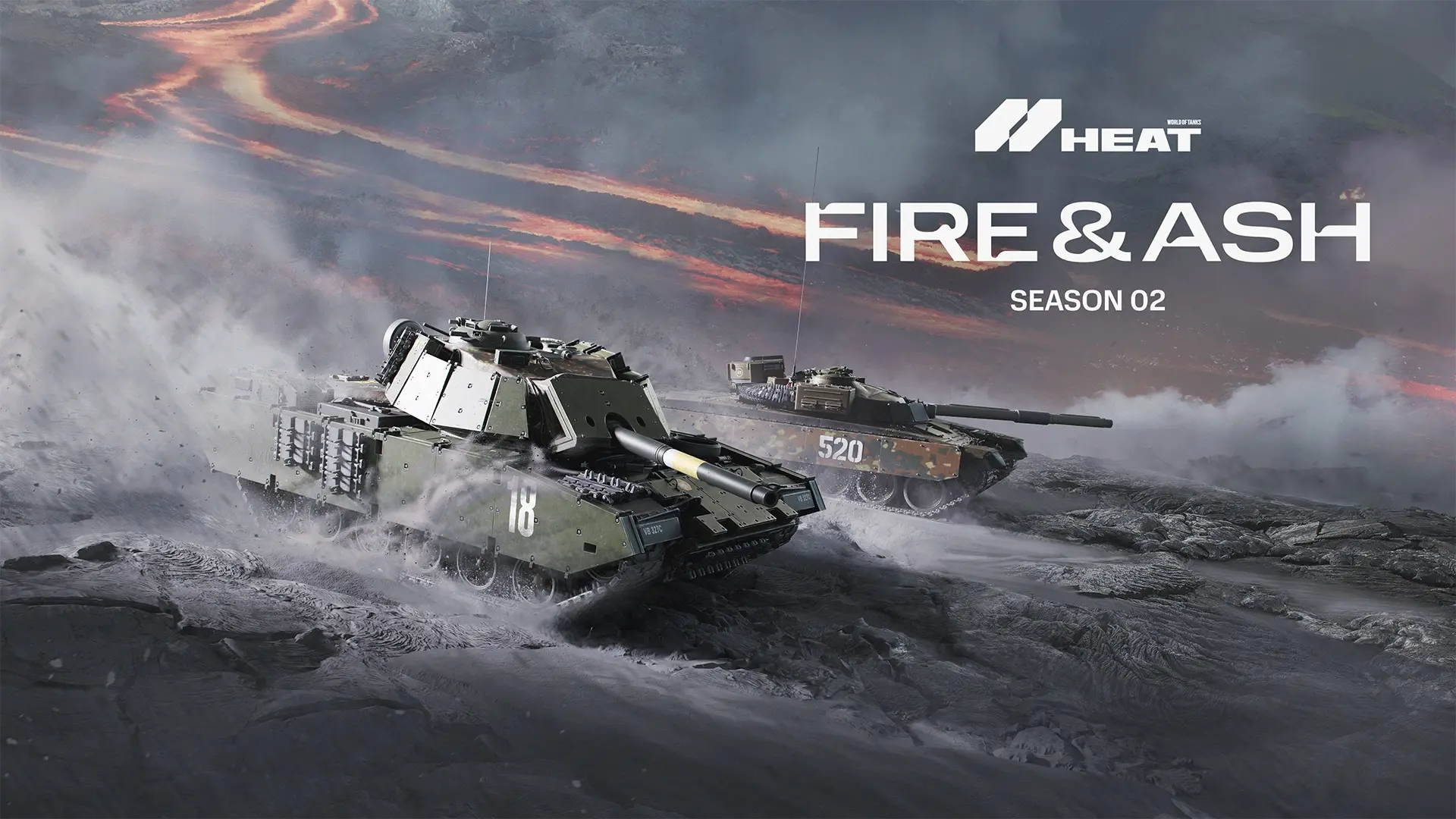
Fast 5v5 and 10v10 tank battles with hero commanders and special abilities. Free to play, with optional purchases.
- Fast team tank battles, 5 v 5 and 10 v 10
- A quicker, more arcade take on World of Tanks
- Needs a client on desktop, and says so
Find your game
How this list was made
A strategy game cannot be judged on its tutorial, so this is what we did instead.
We play past the tutorial
Judged in week three, when the grid is full and space runs out.
We check what a mistake costs
A good builder lets you lay a city out badly and live with it.
We leave and come back
Left alone for a week. A game you cannot leave is scored as a job.
What makes a browser strategy game worth the months
Strategy in a browser almost always means a city on a grid, and the grid is the whole game. Not the combat, which is usually optional, and not the graphics, which are flat by design. The decision that matters is what occupies the squares you have, and what you are willing to demolish for the next thing.
That is why a page like this is short. Most of what is marketed as browser strategy is a collection game with a map behind it: you place buildings, but nothing you place is a choice, because there is only ever one right answer and the game tells you what it is. A real strategy game lets you be wrong for three weeks and then live in the result.
Space is the resource, whatever the game calls it
Gold, wood, mana, population: the currencies differ and none of them is the constraint. Land is. Every building takes room on a grid that grows slowly, so the real decision is never what to build but what to knock down for it.
A player who understands that in week one has a good city by month three. A player who fills every square as it unlocks spends month three taking the city apart. This is the single thing that separates people who stay with a builder for years from people who quit at week three convinced the game is stingy.
Our top pick right now
-
Our top pick
Browser game
A hero-collection role-playing game that runs in a browser tab. Free to play, with optional purchases.
- Levels heroes rather than buildings
- Hands you a full team before it asks anything
- Runs on a laptop that struggles with the rest
Two ways these games gate progress, and they play differently
Some run progress through a map: you take territory, the territory hands you expansions, and the pace of the game is the pace you push at. These are the busier ones. They have more systems, more to optimise, and usually some form of combat that is optional but well paid.
Others run it through a research tree: the constraint is knowledge rather than land, nothing is taken by force, and the game is slower on purpose. These ask less of your attention per day and are the better choice if your free time is unpredictable.
Neither is the better design. They are different hobbies that look identical in a screenshot, and it is worth knowing which one you are opening, and each card on this page says which.
What another player can do to you
This is the question worth asking before you invest three months, and the answers in this genre range from nothing at all to a raid that undoes your week.
The gentlest builders have co-operative groups that trade and help and have no attack in them. Others keep combat to a campaign map that waits for you, so a week away costs nothing. A few make you a target on a live map, and those are excellent games for people who want that and the wrong purchase for everybody else. Nothing ranked here can cost you the city itself.
Where money appears in a strategy game
Money buys space and time: expansions, faster building, premium buildings that do more with fewer squares. The line between a paying city and a free one is drawn on the grid: a paying city is denser, not stronger.
That is the honest version, and it is why this genre is kinder than most. Expansions come from research and from play as well as from the shop, and nothing you can buy wins a fight you would otherwise lose, because in the ordinary course of these games there is no fight.
How much time a city really takes
Ten minutes a day keeps one of these moving: collect, set the next production, spend what accumulated. That is the honest floor, and the good ones are built around it rather than around a long session.
What an evening buys you is planning: redrawing a quarter of the city, working out a road layout that survives the next age, deciding what to feed. None of them require it. All of them are noticeably better if you do it once a month.
The mistake most new players make
Filling every square with housing. Population is the resource that looks most urgent in week one and matters least by month two, and a city built around it has to be taken apart before it can grow.
Follow the research rather than the buildings it unlocks, keep a road plan you can extend, and pick two long-term investments early rather than spreading everything thinly. These games are generous at the start and ask later, which is deliberate: the free path is designed to last long enough that you can find out whether you like it before anything is at stake.
Why this page is short
A comparison with one card is not a comparison, and a page padded with games that do not belong in the genre is worse than a short page. What is listed is what somebody here has played to the point of being able to say something useful about the third week.
The list grows when something earns a place on it and shrinks when something stops deserving one. The date at the top says when that was last checked.
Overall best
-
Our top pick
Browser game
A hero-collection role-playing game that runs in a browser tab. Free to play, with optional purchases.
- Levels heroes rather than buildings
- Hands you a full team before it asks anything
- Runs on a laptop that struggles with the rest
-
Windows only
A real-time strategy game: grow one city into an empire on a shared map. Free to play, with optional purchases.
- Lead a civilisation from a single city to an empire
- Real-time battles on one shared world map
- Needs a client on desktop, and says so
-
Windows & Mac
Space strategy: build a fleet crewed by officers from every Star Trek series. Free to play, with optional purchases.
- Build a starbase and a fleet from Star Trek
- Collect officers like Kirk, Spock and Picard
- Needs a client on desktop, and says so
Questions people actually ask
What people ask before starting a city they intend to keep for a year.
Are these real strategy games or city-building clickers?
Real: the grid is finite, the decisions are trade-offs, and a bad layout stays bad. None of them resolves itself if you click faster.
Can another player attack my city?
It depends on the entry and the card says which. Some have no attack at all, some keep combat to a campaign map that waits for you. Nothing here can cost you the city itself.
How long before it gets interesting?
About an hour in the busier ones, when the research opens up. The slower ones show their shape over the first few days.
Do I need to play every day?
Ten minutes keeps one moving. The research-led builders are the more forgiving if you disappear for a week.
Which is better for a slow machine?
Any of them. They are flat and turn-free; a very large late-game city is the only thing that slows down, and there is a graphics setting for it.
Do I need a guild?
Not to play, but where group content exists it usually pays best. It is a five-minute decision on day one and a wasted month if you skip it.
Do these need a download?
No. They run in a browser tab and save on their own servers, and the better ones continue the same city in a phone app.
Is it worth paying?
Money buys space and speed, never strength. If you are still enjoying the city at month three, an expansion is the thing worth buying; nothing else changes the game.