


Best online games you can play right now
The games worth your time, ranked. What each one is really like to play, what it asks for along the way, and which one suits you.
-
Our top pick
Browser game
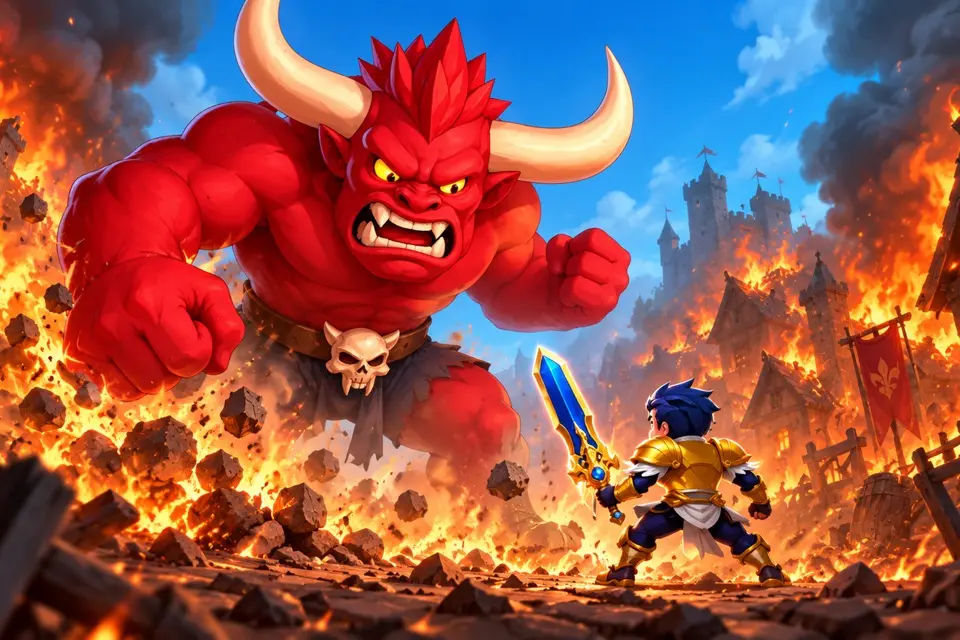
A hero-collection role-playing game that runs in a browser tab. Free to play, with optional purchases.
- Levels heroes rather than buildings
- Hands you a full team before it asks anything
- Runs on a laptop that struggles with the rest
-
Downloadable game
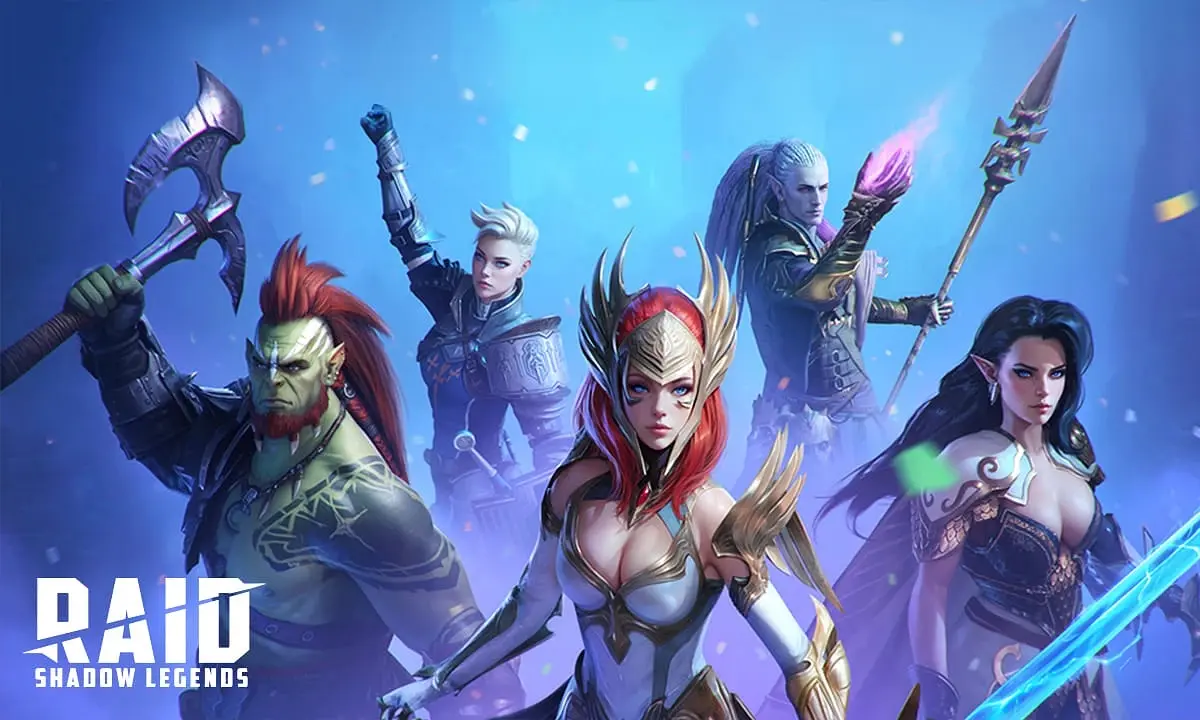
A turn-based collection role-playing game with several hundred champions. Free to play, with optional purchases.
- Free champions carry further than they should
- Turn based, so a slow connection costs nothing
- Auto-battle clears the farming you have beaten
-
Windows only
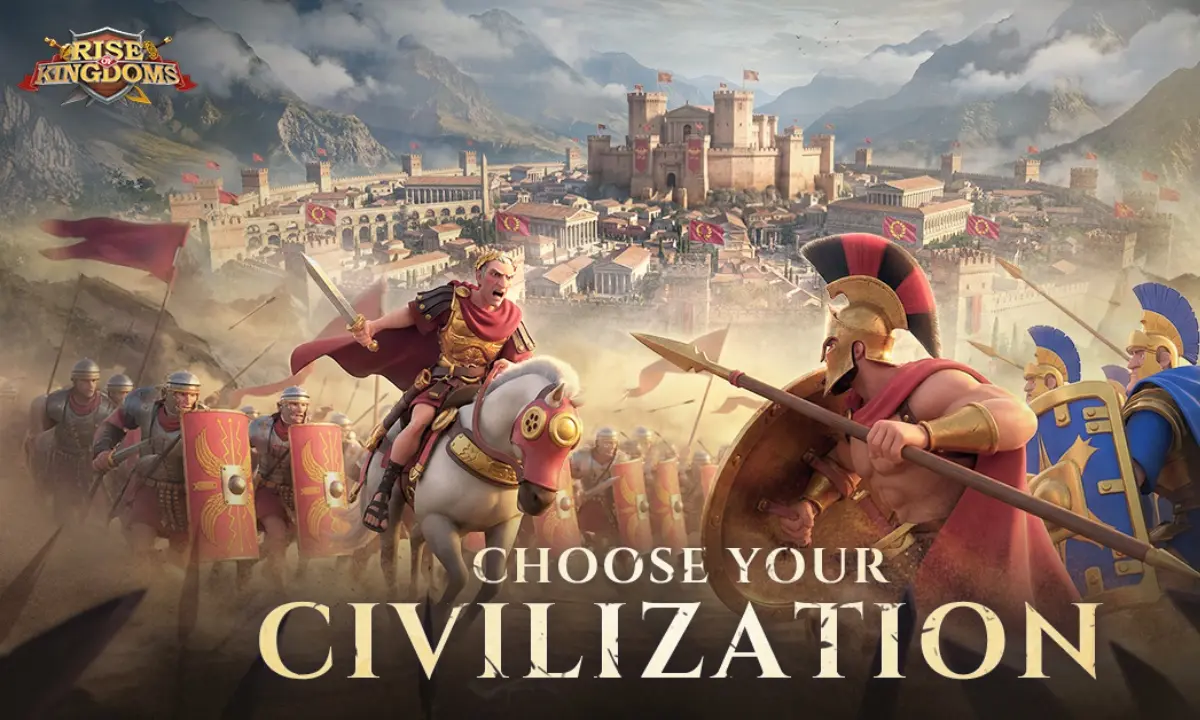
A real-time strategy game: grow one city into an empire on a shared map. Free to play, with optional purchases.
- Lead a civilisation from a single city to an empire
- Real-time battles on one shared world map
- Needs a client on desktop, and says so
-
Downloadable game
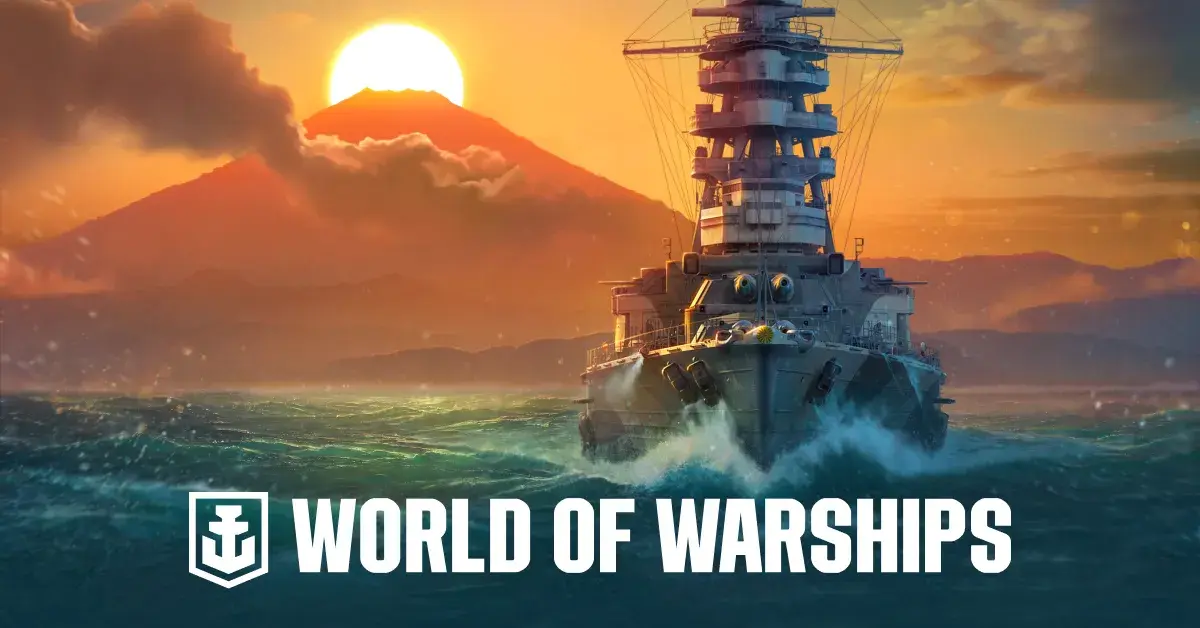
A naval team game where shells take seconds to land and positioning wins. Free to play, with optional purchases.
- Shells take seconds, so aiming is a decision
- Four classes that genuinely play differently
- Needs a client on desktop, and says so
-
Downloadable game

A team tank game where the angle of your armour matters as much as your aim. Free to play, with optional purchases.
- Angling your tank matters as much as aiming
- Hundreds of tanks across a dozen nations
- Needs a client on desktop, and says so
-
Windows only

An open-world naval game: sail, trade and fight with age-of-sail ships you crew. Free to play, with optional purchases.
- Sail, trade and fight in one open sea
- Age of sail ships you build and crew yourself
- Needs a client on desktop, and says so
-
Windows & Mac

Space strategy: build a fleet crewed by officers from every Star Trek series. Free to play, with optional purchases.
- Build a starbase and a fleet from Star Trek
- Collect officers like Kirk, Spock and Picard
- Needs a client on desktop, and says so
-
Downloadable game
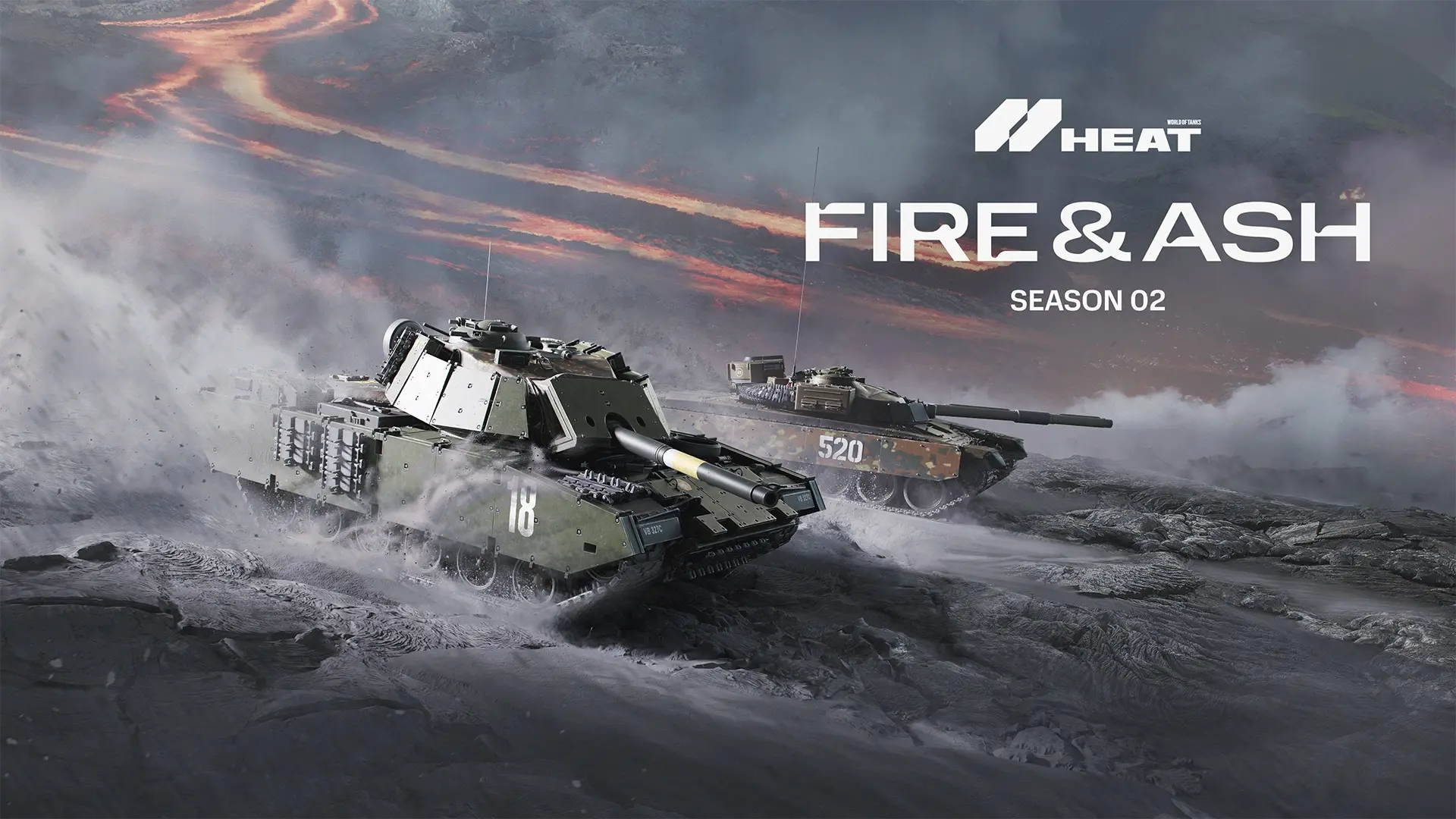
Fast 5v5 and 10v10 tank battles with hero commanders and special abilities. Free to play, with optional purchases.
- Fast team tank battles, 5 v 5 and 10 v 10
- A quicker, more arcade take on World of Tanks
- Needs a client on desktop, and says so
Find your game
What makes a browser game worth playing
The best free browser games have one thing in common: they are a game inside ten minutes. No launcher, no forty-gigabyte download, no account wall before you have seen anything. You open a tab, something appears that is yours, and the tab is worth opening again tomorrow.
That is the whole test we apply. A game fails it in one of three ways: an install, a tutorial that would not end, or a paywall standing between the player and the first interesting decision. Most of what is marketed as a browser game fails on the second one. The opening is a corridor with a currency at the end of it, the first genuine decision arrives on day three, and by then nobody is left to make it.
Everything ranked below passes. They pass by different margins and for different people, which is what the rest of this page is about.
How the list is put together
Every game is played from a new account before it is ranked, on ordinary hardware and an ordinary connection, with no material supplied by the publisher. A single session is not enough to judge a free game: what matters is how it behaves once the opening generosity stops.
Three things get written down as they happen: the hour the game stops teaching and starts playing, the hour the shop first becomes relevant, and whether saying no to that shop costs time or costs the account. The last of those decides most of the ranking.
Our top pick right now
-
Our top pick
Browser game
A hero-collection role-playing game that runs in a browser tab. Free to play, with optional purchases.
- Levels heroes rather than buildings
- Hands you a full team before it asks anything
- Runs on a laptop that struggles with the rest
Which kind is right for you
A city builder is for somebody who wants a place to come back to. A grid that grows slowly, a settlement that carries through ages for years, and ten-minute sessions that keep it moving. The interesting decision is a layout rather than a fight, and the constraint is always space, which is why it rewards planning more than any other kind here.
A hero collector is for somebody with ten minutes at a time who would rather solve a team than drill a build order. A roster, a campaign, and a resource you never have enough of. The good ones hand you a working team in the first session; the deep ones ask for weeks and repay them.
A research-led builder is for somebody who wants a city to tend rather than a war to run. Progress runs through what you learn rather than what you take, nothing can be seized by another player, and it is still there after a week away. Slow on purpose.
A village builder is for five quiet minutes. Clear the overgrown land, rebuild what is underneath, and the next thing to do is always visible. No guild, no rival, nothing to lose. It is the gentlest thing we rank.
A team battler is for somebody who wants a short match with strangers on their side rather than a place that waits for them. These are the ones most likely to want an install, and where that is true the card says so before you click.
Free to play, and what that actually means
Everything here is free to start and free to keep playing. What these games sell is time and decoration: faster building, a bigger storehouse, another attempt, a costume. The question that matters is when a game stops being playable without paying, and that is answered in each review rather than in a badge on a card.
There is a real difference between the two halves of this page. In the builders, money buys speed: the same account, sooner. In the collectors, money buys the top of a leaderboard, and no amount of patience closes that gap while a season is running. Neither is dishonest. They are different bargains, and which suits you depends on whether you mean to compete or to potter.
Where a free game stops being playable without paying, it comes off the list.
Starting without a download
Most of what is on this page opens straight in a browser tab, and where an entry needs a client or an app its card says so. It is worth checking before you start anything: the most common reason people abandon a game they were excited about is the twenty minutes between deciding to play and being allowed to.
Most of them also ship a mobile app on the same account, which is the arrangement worth having. Ten minutes on a phone at lunch and an hour at a desk in the evening are the same progress. The browser version is never the lesser one.
Multiplayer, and playing with friends
Three arrangements, and every entry here is one of them. Some have guilds or clans that pay well and ask nothing: the best steady rewards in the game come from a group, and none of it requires you to speak to anybody. That is the arrangement to look for if you want other people to matter without having to organise anything.
Some are co-operative only: groups trade, gift and help, and there is no attack in the game at all. Some have nobody else in them, which is not a shortcoming. It is the right answer for anybody who wants to be left alone with a project.
What none of them do is make the group compulsory. Each review says which of the three you are looking at, and how much of the game sits behind it.
By genre
Hero collectors. A roster, a campaign and a resource you never have enough of. The fights resolve themselves; the game is which few you feed. The accessible ones give you a team on day one, the deep ones give you a bench to solve. Between them they cover most of what this genre does well.
City builders. A grid, a plan, and the problem of what to knock down for the next thing. The strongest thing a browser does, and the only kind here where the interesting decision is a layout rather than a fight.
Cosy builders. Clearing, restoring and arranging, with nobody to beat. The calmest of these ask nothing of you at all; the ones with a research tree are where to move when you want a plan rather than a chore.
Team battles. Short matches with strangers on your side. One life a round, a fight decided by where you are rather than how fast you click, and the kind most likely to ask for an install.
Will they run on an old laptop?
Most of what is here will run on integrated graphics and four gigabytes of memory. The builders and the collectors draw a flat scene with a handful of moving parts, and nothing in them happens in real time, which is why they are comfortable on a machine that struggles with everything else.
Anything with real-time combat is the exception, and it is the same set that tends to want a client. Those need a machine from the last few years to be worth playing rather than merely playable.
If your machine plays a video in a tab without stuttering, everything on this page that runs in a browser will run on it.
If you have never played one of these
Pick by the evening you want rather than by the score: a city if you want something to plan, a team if you want ten minutes at a time, a village if you want something you can put down. Give whichever you pick three sessions rather than one, and do not spend anything in the first week. Every game in this category is generous at the start and asks later.
Two habits are worth more than any purchase. Join the guild, clan or alliance on the first day, because in most of them it is the steadiest source of everything worth having. And decide what you are prepared to lose (an evening, a set of armour, a fleet) before the game asks you to.
How the ranking is decided
Sixty per cent of a score is the first hour: how quickly the game stops being a tutorial and starts being a game. Twenty-five per cent is what happens when money appears. A wall you cannot climb without paying costs a game more than a slow start does. The remaining fifteen is whether it runs well in a tab on ordinary hardware.
Some games pay us when a reader signs up, and that can influence which games are on this list and in what order. It never changes a game's score or what we write about it.
How often this page changes
The list is reviewed monthly, and whenever a game changes something material: a required download, a harder paywall, or a shop that arrives sooner than it did. The date at the top is the date the entries were last checked.
Overall best
-
Our top pick
Browser game
A hero-collection role-playing game that runs in a browser tab. Free to play, with optional purchases.
- Levels heroes rather than buildings
- Hands you a full team before it asks anything
- Runs on a laptop that struggles with the rest
-
Downloadable game
A turn-based collection role-playing game with several hundred champions. Free to play, with optional purchases.
- Free champions carry further than they should
- Turn based, so a slow connection costs nothing
- Auto-battle clears the farming you have beaten
-
Windows only
A real-time strategy game: grow one city into an empire on a shared map. Free to play, with optional purchases.
- Lead a civilisation from a single city to an empire
- Real-time battles on one shared world map
- Needs a client on desktop, and says so
How this list was made
Three rules, published because a ranking nobody can check is an advertisement.
We play the first hour
A clean account, played for the hour most people give it.
Paid placement is disclosed
Some games pay us. That can affect where a game sits on the list, never its score.
The list changes
A launcher, a paywall or a worse first hour takes a game off.
Questions people actually ask
The ones that arrive by email, including the two about money.
Are these really free?
Free to start and free to keep playing. They sell optional items; none asks for a card to open an account, and one that did would come off the list.
Do I need to download anything?
Mostly not. Most of what is here opens straight in a browser tab, and where an entry needs a client or an app, its card says so.
Will they run on an old laptop?
Most will. A flat, turn-based game asks almost nothing of the hardware; anything that installs and renders in three dimensions asks more, and each card says which kind it is.
Which one should I start with?
Whichever card describes the evening you want. The order on this page is our answer; the bullets under each entry are the reason for it.
Are any of them pay to win?
At the top of a ranked season, the collection games are. Everywhere else money buys speed rather than access, and each review says where that line falls.
Can I play with friends?
In most of them, yes. Guilds, clans, fellowships and alliances all do the same job, and each review says how much of the game sits behind one.
How long does a session take?
Ten minutes keeps an account moving in most of these. An evening is optional throughout and required nowhere.
How do you make money?
Some of the games pay us when a reader signs up. It is disclosed above every list, it can influence the order of the list, and it never buys a score. It is what pays for the work.